

Introduction
Last month, I got a message from my good friend Dr. Mark de la Paz: “Never thought our research would have this much impact - never in my wildest imagination.” This was accompanied by a PDF of a report from the U.S. National Marine Fisheries Service (NMFS): “Marine Mammal Protection Act Import Provisions Comparability Finding Application Final Report: Philippines.”
Don’t worry if that title makes very little sense to you - I’ll explain more below. Long story short: both Mark and I have followed the footsteps of our mentors in conducting and publishing research on Irrawaddy dolphins (Orcaella brevirostris) in different parts of the Philippines. And our findings demonstrated that there were unsustainable levels of Irrawaddy dolphin bycatch at our study sites, particularly related to fishing gear for blue swimming crabs (Portunus pelagicus). Because of this, and other factors related to how the blue swimming crab fishery is (or is not) monitored in the Philippines, NMFS has declared this fishery “not comparable” to U.S. regulatory requirements to monitor and mitigate bycatch - i.e., this fishery is no longer eligible to be imported into the U.S. And our research is cited* in the report justifying this declaration.
Starting June 11, 2026 (today!!!), the US is banning imports of blue swimming crab from the Philippines (see here and here for more info).
Which… is bad news for the people who run that fishery and who work in that fishery. But perhaps good news for the dolphins? (That’s the goal, anyway!). And I feel both good and bad about it all.
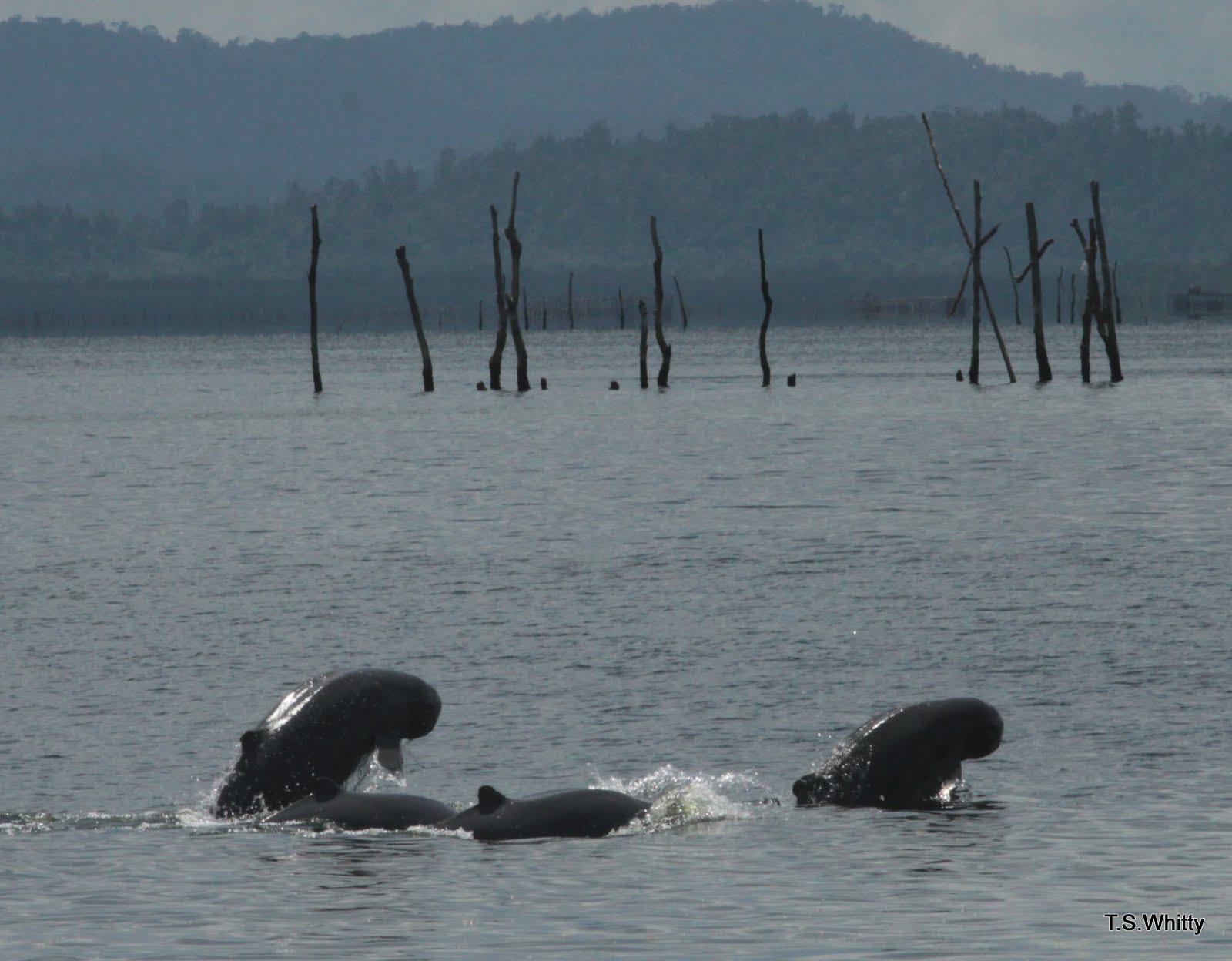
*Now, in fairness: NMFS could have just as easily cited the work of my mentors, Dr. Louella Dolar and Marivic Matillano, who had published on bycatch in Malampaya Sound years before my study - but mine just happened to be the most recent work on the topic
MMPA Import Provisions: A Quick Background
Now, the US Marine Mammal Protection Act (MMPA) Import Provisions is a topic that deserves a deep dive on its own. But this post is more about the reckoning I felt when I saw my paper cited in the report explaining NMFS’s decision.
Basically, the MMPA is legislation enacted in 1972 to protect marine mammals in the US (learn more here). It includes a prohibition of “taking” (harming) marine mammals, in US waters and in US fisheries. There are “incidental take authorizations” that allow a limited number of bycatch events (based on the calculated “Potential Biological Removal” level, i.e., a sustainable number of animals that could be removed from the population without causing it to decline) to commercial fisheries, but if the number of allowed takes is exceeded, there can be fines or revocations of licenses. There are also mandated modifications to certain fishing practices and gear to reduce the risk of bycatch.
Technically, the MMPA applies these restrictions to US fisheries, as well as any fishery exporting products to the US. This latter part, however, had not been enforced… until now. This means that US fisheries have been held to a higher standard than the fisheries that we import from - which is, of course, unfair - and it also means that US consumers are likely contributing to the bycatch of marine mammals around the world.
In 2016, NMFS announced that it would start implementing the MMPA Import Provisions, whereby overseas fisheries that export to the US must demonstrate that they have a comparable system to ours for monitoring and managing marine mammal bycatch (“comparability”). For fisheries that fail to demonstrate comparability, exports to the US will be banned starting in 2026 - this year.
And thus began a laborious process of (a) identifying fisheries that export to the US that would be likely to have bycatch of marine mammals (no small feat), (b) collecting information and materials sent by governments with jurisdiction over those fisheries, related to how those fisheries are monitored, what is known of marine mammals that overlap with those fisheries, and whether/how bycatch is monitored and mitigated, and (c) making a determination about whether a given fishery in a given country has demonstrated that marine mammal bycatch is monitored and managed in a way that is comparable to US fisheries.
And so, in the case of the Philippines’ blue swimming crab fishery, comparability was not demonstrated, and the fishery can no longer export to the US until it can demonstrate comparability. Which means major improvements must be made to fisheries monitoring and bycatch reduction efforts. Which… is not easy.
But then again: this fishery is clearly the major threat to a Critically Endangered subpopulation (Malampaya Sound, my main research site for my PhD) of an Endangered species. When I wrapped up my research there in 2012, I truly had very little hope that anything would ever change the grim outlook for the Malampaya Sound dolphins. There was very little incentive - and a whole host of significant barriers - to improve fisheries management. I didn’t see anything improving for the dolphins or for local fishers, who were already suffering from rampant overfishing and lack of management.
Will this ban be the external push that shapes a more positive future for the dolphins?
Implications of implications
We conservation scientists, even as relative “babies” early in graduate school, get all starry-eyed about the idea of our work making a real difference in the world. We aspirationally - and perhaps a bit naively and/or self-importantly - write in very somber words about the “implications for management” in the discussion section of our papers. But I’d venture that most of us don’t get to see any such implications come to life (I mean, of course a lot of research does end up being applied in conservation - but my guess is that this is not the case for most published research).
I’d come to accept and celebrate that the most important “implications” of my work were the skills, resources, and inspiration that I shared with mentees; these forms of impact feel fairly uncomplicated and easy to feel good about. I actually feel like these types of impact are where the most “good” comes from conservation - facilitating and amplifying the skills of more people to shape the future they want to see. If more of us focused on such generative outputs and outcomes, and prized them as much as publication records and glitzy awards, our field would be much better off.
And, while a conservation practitioner with IUCN in Myanmar, I felt that my work had real, observable implications; the activities and projects that I helped develop, shape, and/or implement were positive contributions to local conservation efforts and communities (we know this from participatory evaluations of our work - they weren’t perfect, but overall, they were positive). I could celebrate these impacts with confidence, because I’d been able to oversee and monitor our activities to ensure that they were carried out in socially and ethically responsible ways, implemented with care and respect.
That feels very different from publishing research - putting it out into the ether - and thereafter not having any particular influence on how that research is used.
Did our research share the on-the-ground truth of bycatch? Yes.
Wasn’t one of the desired outcomes to improve fisheries management to reduce bycatch? Yes.
So, this is what we wanted, right? Yes… and also, maybe not entirely “yes.” It’s complicated.
I’m certainly not the first scientist to grapple with the question of how my research will be applied (I mean, there are many more serious examples of the ethical quandaries related to how science is produced and used - nuclear weapons, AI, etc.), and of course I’m not the first conservation scientist to have my research used to inform conservation-related decisions. Several of my friends and colleagues have been in this situation, some of them multiple times.
But as someone whose career in conservation has veered more in the direction of evaluating the human interactions and human impacts involved in conservation, I’ve seen - over and over and over again - how good intentions (saving endangered animals!) can lead to very real harm to communities (often, particularly vulnerable communities). This is especially true of top-down approaches, where a directive coming from “up high” often translates into a complex, messy process, with inadequate evaluation of the social impacts that are spawned along the way.
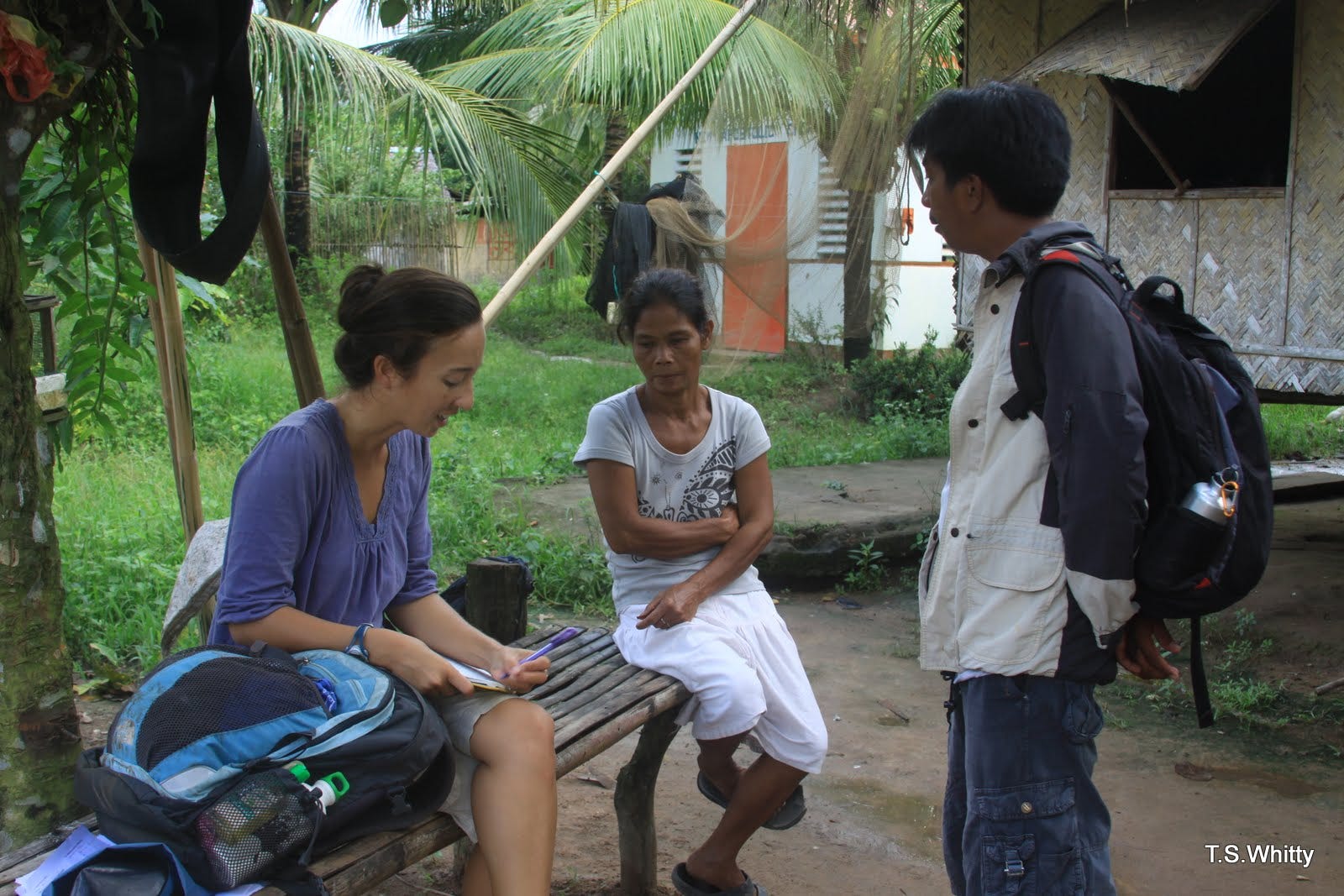
For our research, both Mark and I worked closely with local fishing communities. I was generously welcomed into people’s villages and homes, where they took precious time from their days to share information (and, often, coffee and food) with me and my team. And I am uncomfortable with the idea that my research might be linked to any harm to these people.
And you know what? We should all be uncomfortable with that truth. Even if we continue to conduct and publish research that we hope will shape conservation actions and policies, we should recognize that even the best-intentioned conservation interventions have the potential to harm people. And that should make us uncomfortable - and motivate us as a field to operate with more care, and to democratize how conservation decisions are made and implemented, to better anticipate and mitigate possible harm.
This is an extreme comparison, but this quote from travel guru Rick Steves has stuck with me ever since I read it years ago: “I believe if you’re going to bomb a place, you should know its people first. Even if military force is justified, it should hurt when you kill someone.”
For those of us working for conservation: it should hurt us when our work harms communities. And we should consider it within our realm of responsibility to do whatever we can to mitigate the risk of such harm.
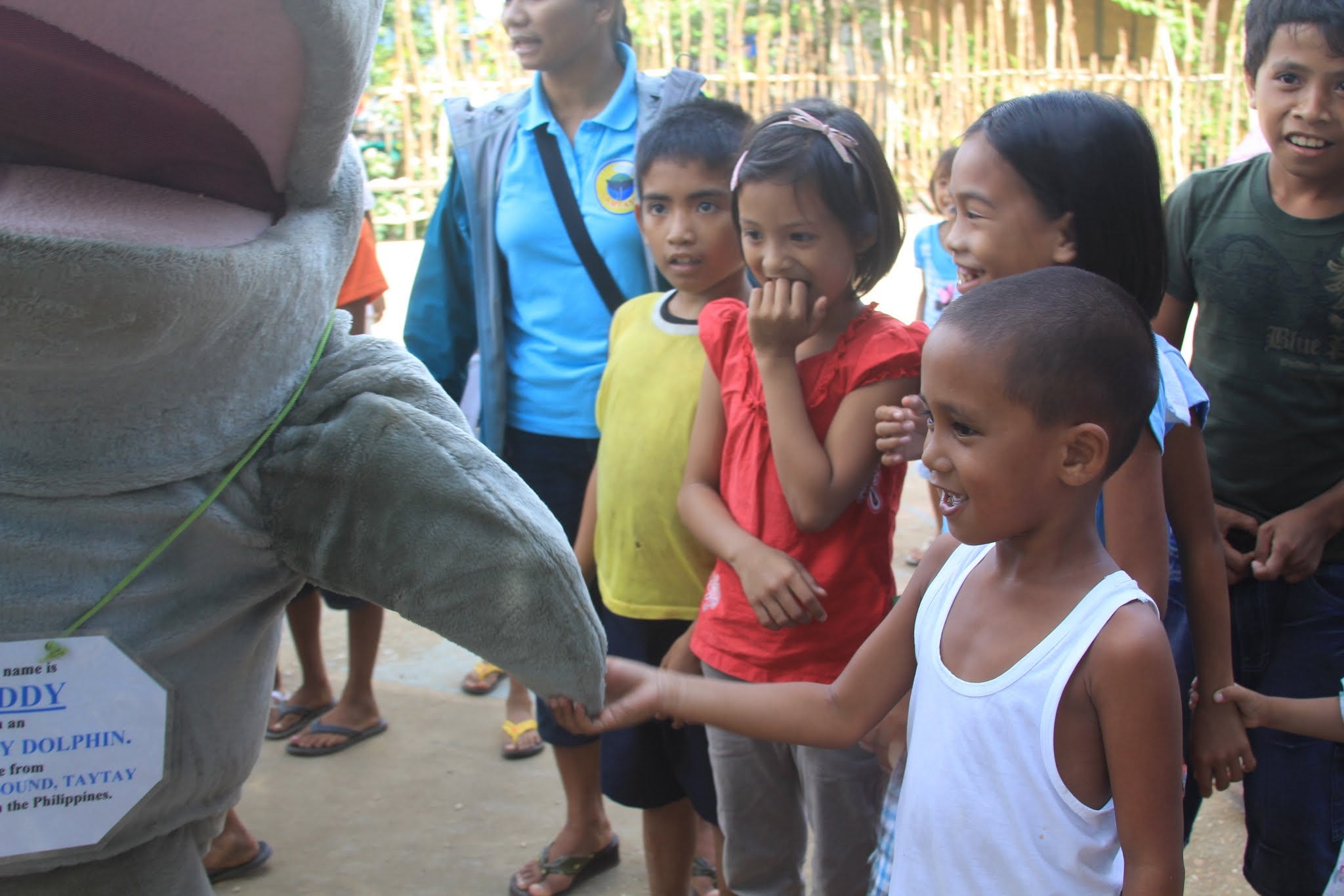
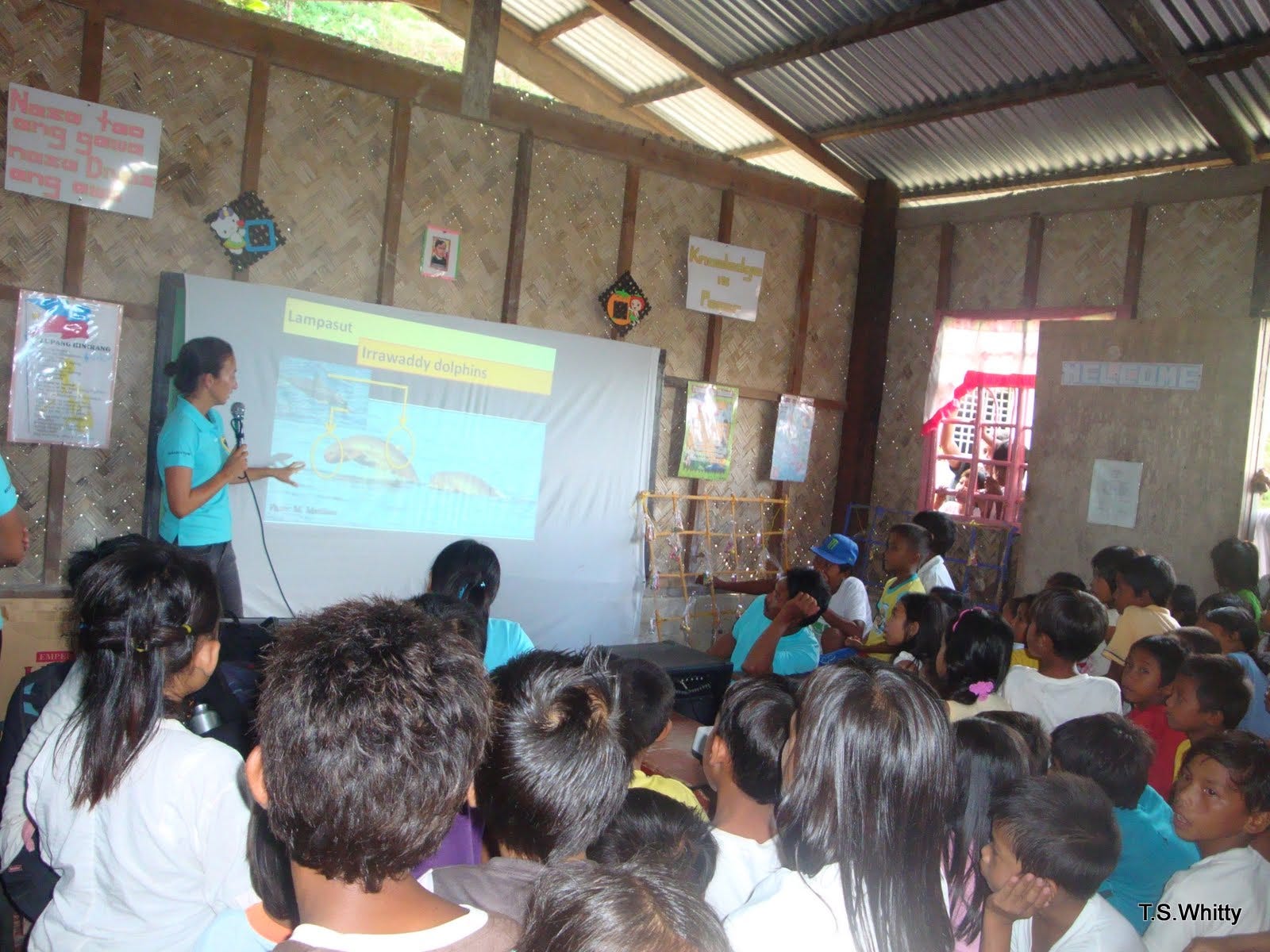
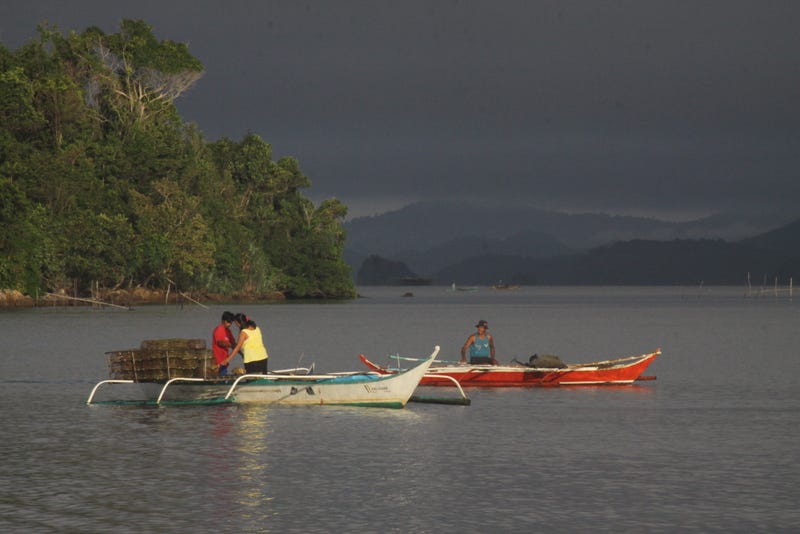
So what now?
I know that Mark has been involved in conversations with government officials about moving forward to make the blue crab fishery in his area compliant, and I also know that we have several wonderful colleagues (collaborating with the Marine Wildlife Watch of the Philippines) who have been posting nostalgia-inducing photos of their recent Irrawaddy dolphin surveys in Malampaya Sound. And my most recent visit to Malampaya Sound, in 2024, showed me that management in general seems to have vastly improved from the “wild west” atmosphere that prevailed when I was working there.
So, there is room for optimism; there are good people working on this issue, and they know the importance of community involvement. Mark, in particular, has extensive experience working collaboratively with communities, as you might remember from our conversation in 2023:

My hope is that good people do good work to develop - with communities - solutions that improve fisheries management for the ‘waddies (how we affectionately refer to the Irrawaddy dolphins) in a way that minimizes harm (or perhaps generates positive outcomes!) for local fishing families. I’ve got a lot more to say about the complicated world of boycotts and bans, but this is long enough for now, and I like the idea of ending this on a somewhat hopeful note.
I’d love to hear your thoughts on the “implications of implications for management”!
Hmmm... Yes, that is a little rough, knowing that people can suffer because of political or environmental decisions, and your work played a part in that decision. That's a big deal. Yet a great deal off life is like that, bad consequences accompanying even some of our best efforts.
Congrats, Tara! My son is from the Philippines and we often speak about how beautiful and unique the wildlife in the Philippines is. It is a major source of pride for the Filipino people. I'm impressed by the complexity in which you are viewing this conservation success. It shows the respect that you have for the Filipino communities. If I could add though, I think you are ultimately assisting in helping the country build a fishery that doesn't allow importers (us) to take advantage of their lax standards to extract their resources. So, in the end it's a long term benefit. Onward!