


Another "mindset to avoid" preview from the Conservation Sense trainings on mindsets.
Before we dive in: I’m recruiting a small group of people to join the pilot version of the full Conservation Sense series on Conservation Mindsets. It will be free, but I’ll need you to provide feedback. Please send me a message or comment below if you’re interested in adding your name to the list!
When people gaze upon, say, a trash-littered beach or an image of a hapless marine critter entangled in plastic, a common response that I've witnessed is: "humans suck," or something synonymous with that.
And that... sucks.
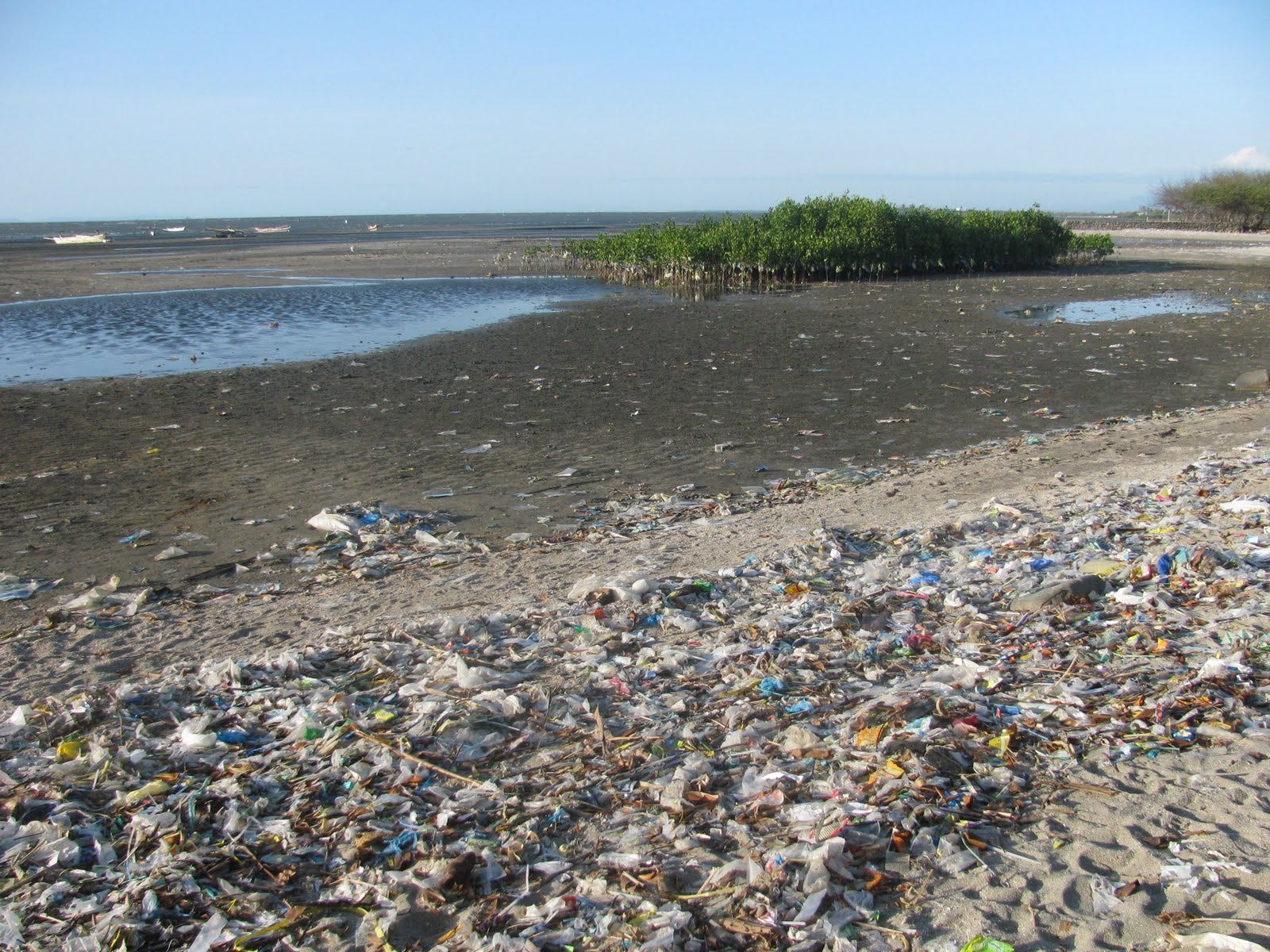
In fairness, I've observed this more commonly in people who don't work in conservation. But I have also heard similar sentiments, perhaps expressed more academically or elegantly, from conservation colleagues. And even with "laypeople," I think it's important for those of us in the conservation field to do some educating so that the general public gains greater understanding of the complexities of conservation.
It's a lazy, defeatist mindset that, if one digs deeper, can be tied to prejudices against certain types of humans. And that is counterproductive to effective and ethical conservation.
Also, it often seems that the people expressing this sentiment forget that they, too, are humans. This sort of "othering" - blaming a group for harm, without realizing your own impacts - plays into the more broadly problematic mindsets often held by technocrats (including formally trained conservation experts) that they are somehow uniquely capable of solving problems and uniquely removed from any accountability related to those problems.
More on that another time!
So: yes. Humans, individually and collectively, cause a lot of serious harm to the environment. That sucks.
But proclaiming that humans inherently suck sort of closes the door to the possibility that humans can also do good things. Yes, humans cause environmental problems. But not all of them, not equally. And guess who also works to solve those problems? Humans.
A lot of the problems in conservation have arisen from technocratic conservationists not trusting the capacity of other humans to drive real solutions. Discounting humans' worth and potential for good is, I believe, deeply tied to how conservation has disregarded human rights in its operations. And it's also lost out on a lot of human potential for improving conservation.
Thinking that "humans suck" also limits how one thinks about *why* we cause environmental problems. Let's think back to the example of a beach strewn with trash - a common source of shock to Global North tourists when visiting beach "paradises" in tourist hotspots in the Global South. There's dismay (oh no, my perfect beach vacation, spoiled!) and judgment (why don't they just recycle their plastic here? so uneducated and careless), and "humans suck."
Several points here:
These tourists likely cause way more environmental harm through their high-consumption lives, even if they judiciously put their plastic in the recycling bin; they're just not directly confronted by the implications of their impacts
Those of us who do recycle and properly dispose of our trash don't do so because we are intrinsically superior! There were intensive public campaigns, including in my later childhood in the US, to not litter and to not waste water.
Many places simply don't have the infrastructure to support proper solid waste disposal! It's not as simple as putting bins and dumpsters out. Many rural communities wish for solutions to their solid waste problems, but the logistics are complex.
The trash you see on a beach hasn't necessarily come from the nearby communities... currents, etc.
Much of the plastic waste from the Global North is *exported* to the Global South, which is being flooded by waste and cannot - and so does not - recycle it
The Global North-dominated economic system that pushes consumption and privileges multi-national corporations (who rarely face meaningful consequences that match the scale of their negative environmental impact) is the root of why there's so much trash out there in the first place
(I realize that I might have reinforced the idea that "humans suck" as applied to these hypothetical, but very much based on reality, tourists - but many of them, too, can learn to be more mindful and expansive in their thinking, with a little guidance)
Here's a related statement of accountability from the Ocean Conservancy from 2022, regarding their 2015 report on plastic waste. I highly recommend reading it (it's very short).
So, if you said "the dominant systems governing humans suck," that's just fine. Individual humans, well, many of them can and do suck, but individual actions are often pretty amenable to change if given the right support and opportunities.
This is all intertwined with the bemoaning of the increasing human population and the common fixation on the sheer number of humans as the problem, without much critical examination of the disproportionate impact that certain humans (...those of us among the comparatively privileged in the USA top the list, and the ultra-wealthy are at the tippity-top) have on the environment. It's not just about population size; it's about bloated consumption by certain populations.
Humanity contains so much wisdom, beauty, and good (yes, I know this all seems very flowery coming from me). There are cultural and social systems and practices that, while suppressed and oppressed in history, have been maintained and offer hopeful prospects for other ways of being, i.e., sucking less. Repairing our relationship with nature includes reframing how we view humanity - flawed, but not inherently bad, and deserving of a just, healthy, more sustainable future.
What do you think? Have you ever had the knee-jerk reaction of "humans suck" (I won't judge you!)? Did that influence your feelings - pessimism, optimism, etc. - about conservation?
(Also, it's not like other species, if possessing our cognitive capacity and opposable thumbs, would necessarily do much better. Can you imagine a planet run by dogs? Chaos.)


